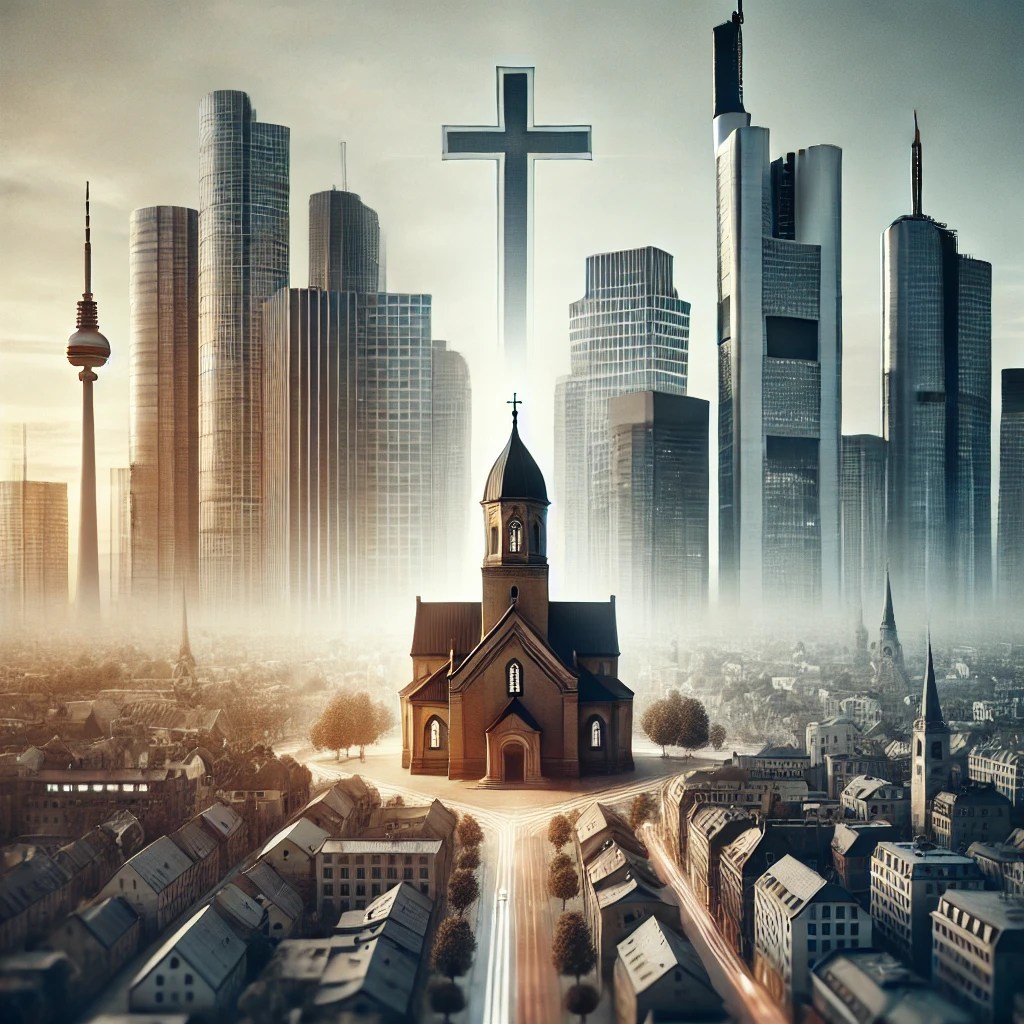
For most believers, faith feels like a personal choice—a conscious commitment to God, truth, and morality. Many claim they follow their religion because it is correct, not because of where or how they were raised.
But what if belief isn’t as much about personal choice or divine truth as it is about environment and cultural conditioning?
The reality is that most people’s religious beliefs are inherited, not chosen. If you had been born in Saudi Arabia, you’d likely be Muslim. If you had been born in India, you’d likely be Hindu. If you grew up in a Mormon family in Utah, you’d likely be Mormon.
So, is religious belief really about truth—or is it about geography, upbringing, and cultural reinforcement?
Let’s examine how cultural conditioning shapes belief and why most people stay in the faith they were born into.
1️⃣ Religion Is Tied to Geography, Not Truth
One of the clearest pieces of evidence that religion is cultural, not divine, is the fact that beliefs are distributed by region—not by independent reasoning.
📌 The Religious Lottery: Where You’re Born Determines What You Believe
✔ Christianity dominates the Americas and parts of Europe.
✔ Islam is the majority religion in the Middle East and parts of Asia.
✔ Hinduism is overwhelmingly concentrated in India.
✔ Buddhism is deeply rooted in East Asia.
✔ Judaism remains a minority faith, largely centered in Israel and the U.S.
If one religion were objectively true, wouldn’t we expect its followers to be spread evenly around the world—rather than clustered by geography?
📌 Key Point: Most believers hold their faith not because they independently analyzed every religion and chose the “correct” one, but because they were raised in it.
2️⃣ Childhood Indoctrination: Belief Before Reason
🔹 Religious belief is often instilled long before critical thinking develops.
🔹 Children are taught that faith is a virtue—believing without question is rewarded, while doubt is discouraged or even punished.
🔹 This creates a mental framework where religion feels “natural”, making it harder to question later in life.
📌 The “Santa Claus Effect”
✔ As children, we believe what authority figures tell us—including Santa, the Tooth Fairy, and religious teachings.
✔ Over time, we outgrow childhood myths—but religion is reinforced through cultural rituals, social pressures, and community identity.
✔ The difference? There is no lifelong social pressure to keep believing in Santa.
📌 Key Point: Most people believe because they were taught to believe—not because they discovered it on their own.
3️⃣ Social Pressure: Religion as a Cultural Identity
🔹 In many cultures, religion is more than just a belief system—it’s an identity.
🔹 Questioning faith isn’t just about ideas—it’s about belonging, acceptance, and social consequences.
📌 How Social Pressure Reinforces Faith
✔ Family Expectations – Many believers stay religious to avoid disappointing their families.
✔ Community Influence – Churches, mosques, temples, and synagogues create tight-knit social groups that make it difficult to leave.
✔ Fear of Rejection – In highly religious areas, doubting faith can mean losing friendships, family support, or even employment opportunities.
📌 Example: In highly religious communities like the Bible Belt (U.S.) or conservative Islamic countries, questioning faith can lead to isolation, rejection, or persecution.
✅ Key Point: For many, remaining religious isn’t about belief—it’s about survival in a faith-based culture.
4️⃣ The Fear Factor: Religious Conditioning and Anxiety
Many religions use fear as a tool to maintain belief.
🔹 Fear of Hell – One of the strongest deterrents to questioning faith is the idea of eternal punishment.
🔹 Fear of the Unknown – People are more likely to cling to religious beliefs if they fear death, meaninglessness, or uncertainty.
🔹 Fear of Losing Purpose – Many believers feel that without religion, life would have no meaning.
📌 Thought Experiment: What If Hell Didn’t Exist?
If religions didn’t include threats of hell or divine punishment, how many people would remain faithful?
📌 Key Point: Fear keeps people from questioning—not because their religion is true, but because they are conditioned to avoid doubt.
5️⃣ How Religious Beliefs Survive (Even When They’re Wrong)
🔹 Cognitive Biases Keep Believers Trapped
✔ Confirmation Bias – Believers focus on information that supports their faith and ignore contradictory evidence.
✔ Cognitive Dissonance – When faced with facts that contradict their beliefs, believers rationalize them away rather than changing their views.
✔ The Backfire Effect – When religious people are confronted with evidence against their faith, they often double down rather than reconsider.
📌 Example: A Christian who is shown biblical contradictions may reinterpret them rather than accept that the Bible has flaws.
6️⃣ Breaking Free: How Some People Escape Religious Conditioning
🔹 While most people remain in their inherited religion, some break free. What makes them different?
✔ Critical Thinking – They ask hard questions and seek evidence.
✔ Exposure to Different Beliefs – Learning about other religions helps people see how arbitrary faith can be.
✔ Emotional Detachment – They stop basing belief on fear and start valuing reason.
📌 Key Point: The difference between staying religious and leaving faith often comes down to curiosity, critical thinking, and the willingness to question deeply held beliefs.
📌 Conclusion: Religion Is Cultural, Not Divine
✔ Most people follow the religion they were born into—not because it’s true, but because they were raised with it.
✔ Religious beliefs cluster geographically, suggesting they are a product of culture, not divine truth.
✔ Fear, social pressure, and cognitive biases keep many people from questioning their faith.
✔ Breaking free requires critical thinking, exposure to different perspectives, and a willingness to challenge deeply held assumptions.
📌 Final Thought: If you had been born in a different country, you would likely follow a different religion. What does that say about the truth of your beliefs?
📌 What to Read Next
📺 The Psychology of “Answered” Prayers (Why believers think their prayers are answered—even when they aren’t.)
📺 Does Morality Require God? (Exploring whether moral values can exist without divine command.)
💡 What do you think? Do people choose their religion, or is it chosen for them by culture? Let’s discuss in the comments!
 God or Delusion?