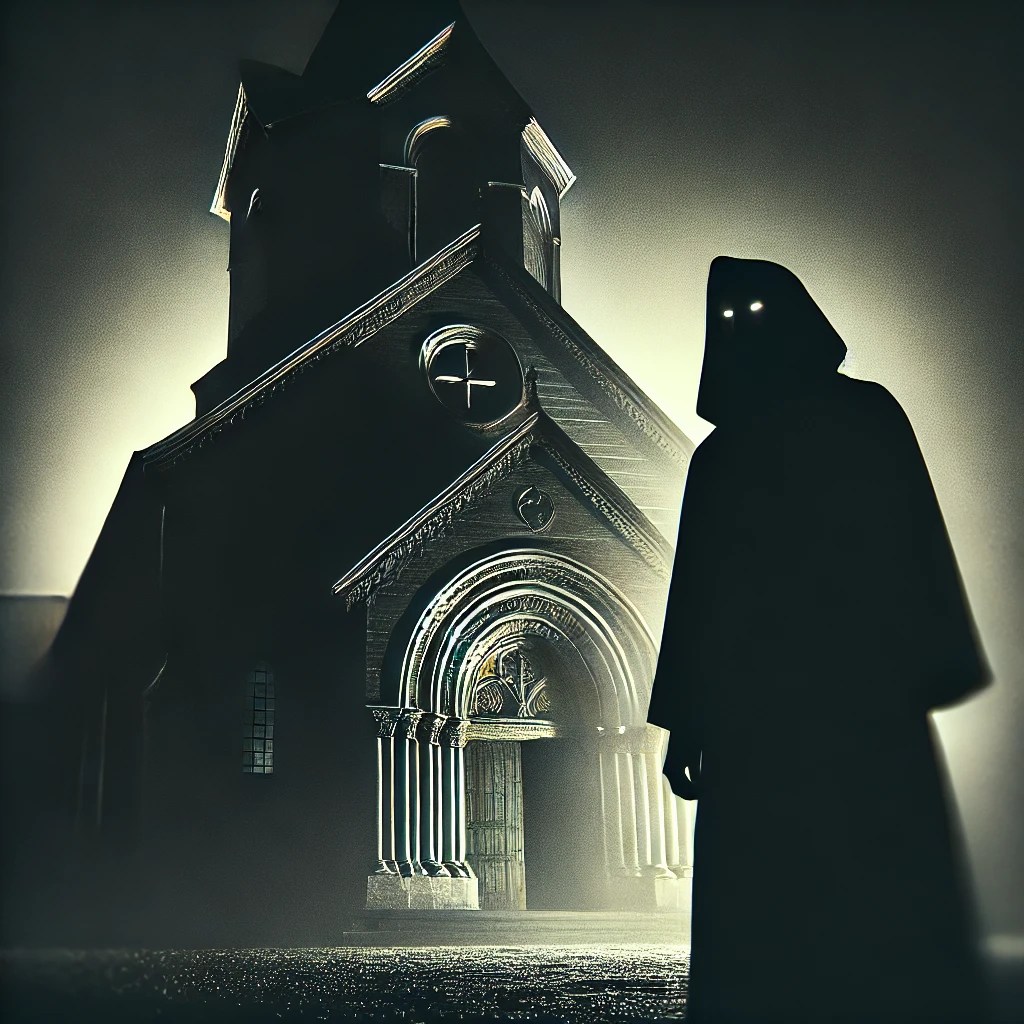
Religious Trauma: When Faith Hurts

For many, religion is a source of comfort, identity, and meaning. But for others, it’s a source of deep psychological pain—pain that isn’t always recognized because it hides behind the banner of faith. Religious trauma is real. And it’s time we talked about it.

What Is Religious Trauma?

Religious trauma occurs when the doctrines, practices, or leadership of a faith tradition cause lasting harm to a person’s mental, emotional, or even physical well-being. It’s not just about personal disagreements or feeling uncomfortable with belief systems. It’s about damage—systemic, sustained, and often sanctioned damage.

Religious trauma can look like:

  • Fear-based obedience driven by the threat of eternal punishment
  • Shame over natural human experiences (like doubt, sexuality, or grief)
  • Suppressed identity due to strict gender roles or anti-LGBTQ+ teachings
  • Severed relationships with family or community after questioning beliefs
  • Spiritual abuse from leaders who wield divine authority to control

The pain often continues long after a person has left the religion.

Applying The God Question’s Core Philosophy

The God Question is built on four pillars: evidence, logic, historical awareness, and emotional integrity. Let’s apply these to the reality of religious trauma:

1. Evidence: Listen to Survivors

Religious institutions often dismiss trauma stories as isolated incidents or blame them on individual misinterpretation. But the stories are too numerous—and too consistent—to ignore. Former believers from evangelical, Catholic, Mormon, Jehovah’s Witness, and Islamic backgrounds often report eerily similar experiences: fear, indoctrination, shame, and emotional repression.

This isn’t anecdotal. Clinical psychologists are now recognizing Religious Trauma Syndrome (RTS) as a legitimate pattern of symptoms that mirrors PTSD.

2. Logic: Belief Should Never Justify Harm

Any system that demands unquestioning allegiance—especially under threat of punishment—risks becoming coercive. If your eternal fate depends on believing the right things, can you truly choose freely? And if divine love is made conditional on obedience, is that love—or manipulation?

A belief system that harms mental health, silences individuality, and punishes nonconformity cannot be defended simply because it is “religious.” Faith is not a moral shield.

3. Historical Awareness: Trauma Isn’t New

Religious trauma has a long and documented history:

  • Children told they’ll burn forever in hell
  • Women denied autonomy under “God’s design”
  • LGBTQ+ people told to “pray the gay away”
  • Survivors of sexual abuse shamed into silence by church leaders

From the Salem witch trials to modern purity culture, religion has often reinforced fear, control, and marginalization under the guise of morality. This doesn’t mean every religious person or tradition is harmful. But it does mean we must acknowledge the darker legacy.

4. Emotional Integrity: It’s Okay to Hurt—and to Leave

One of the cruelest effects of religious trauma is the way it trains you to doubt your own suffering. You’re told your pain is a test, your doubts are sin, and your struggle is your fault.

But trauma is not spiritual weakness. It is injury. And leaving a harmful belief system is not rebellion—it’s recovery.

You are allowed to grieve what was lost, to question what you were taught, and to build something healthier. Healing begins when you stop spiritualizing your wounds and start honoring your truth.


🧭 The God Question’s Invitation

If you’re carrying the weight of religious trauma, we see you. Your pain is valid. You are not alone. And you deserve to heal.

The God Question exists to examine faith with eyes wide open—not to mock belief, but to hold it accountable. To ask: Does this make sense? Is this kind? Is this true?

If your religion taught you to fear yourself more than to love yourself, it’s time to ask better questions.

You’re not broken. You’re brave.

Let’s keep asking.


Losing Faith, Gaining Freedom: My Deconversion Story


“I didn’t stop believing because I wanted to sin. I stopped believing because I started asking better questions.”

For years, I was immersed in a belief system that promised certainty, salvation, and community. It answered all the big questions—where we came from, what we’re here for, and what happens when we die. But eventually, those neat answers began to feel like tightly sealed boxes, not doors to discovery. The more I studied, questioned, and listened—especially to the small, persistent voice of doubt—the more I realized my faith was built on fear, tradition, and emotional manipulation, not truth.

This is my deconversion story.


The Questions That Wouldn’t Go Away

It didn’t begin with rebellion. It began with sincerity. With Bible reading. With prayer. I wanted to understand God better. But I kept encountering contradictions—within the Bible itself, between the character of God and the horrors of hell, between what I was told to believe and what I knew deep down was moral and just.

The resurrection, I was told, was the ultimate proof. But I came to realize that it wasn’t. The “evidence” was weak. The emotional pressure to believe was strong. And the cost of asking hard questions was often isolation and judgment.

What kind of truth needs to be propped up by fear of hell?


A God Too Small

I believed in a God who demanded blood to forgive, who created people knowing most would suffer eternally, who answered some prayers but not others—and we were never allowed to ask why. Any doubt was labeled as rebellion. Any critique, as pride. But the God I was supposed to worship felt more like a cosmic tyrant than a loving father.

My deconstruction was slow, layered, and painful. But when I finally let go of the idea that the Bible was inerrant—that was the turning point. The house of cards began to fall. And I didn’t crumble with it. I grew.


What I Found Instead

When I stopped clinging to faith, I didn’t become lost. I became more grounded. More human. More empathetic. I discovered wonder not in dogma but in reality—in science, in philosophy, in the beauty of questions without tidy answers. I stopped fearing hell and started loving life.

And here’s what surprised me most: the world didn’t become darker. It became brighter. I didn’t lose meaning—I began to build my own.


If You’re Deconstructing

You’re not alone. Millions of people are questioning their faith—especially those raised in high-control religious environments like Southern Baptist fundamentalism. Deconstruction isn’t rebellion. It’s growth. It’s an act of courage. And walking away from belief doesn’t mean walking away from morality, wonder, or purpose. It often means reclaiming them.


📺 For Further Exploration:

A moving, funny, and deeply honest account of one woman’s deconversion journey.


🧠 Thought to Ponder: If you were born in a different country, to different parents, would you still believe what you do now? If not, what does that say about your faith?

Why I Left Religion After 60 Years of Faith

A Journey from Deep Belief to Skepticism

For 60 years, I was a committed Southern Baptist. I read my Bible, prayed daily, attended church faithfully, and truly believed I had a personal relationship with God. My faith was the foundation of my life—it gave me purpose, shaped my decisions, and provided what I thought was absolute truth.

Then, everything changed.


🔹 A Life Built on Faith

I wasn’t just a casual believer—I was deeply involved in my church and community. My faith wasn’t a Sunday-only commitment; it was woven into every aspect of my life.

✔ I trusted the Bible as the inspired Word of God.

✔ I prayed with conviction, believing my prayers were heard.

✔ I evangelized and shared my faith with others.

✔ I never doubted—until the day I did.


🔹 The First Cracks in My Faith

Looking back, I realize my faith had small cracks for years, but I ignored them. Whenever I encountered difficult questions, I did what every faithful believer does: I prayed, sought guidance, and reaffirmed my trust in God.

But certain questions refused to go away.

1️⃣ The Problem of Evil & Suffering

I couldn’t reconcile the idea of a loving, all-powerful God with the overwhelming suffering in the world.

  • Why does God allow innocent children to die from disease and starvation?
  • Why do natural disasters wipe out thousands of lives in an instant?
  • Why does God remain silent while people cry out for help?

Every answer I received felt hollow:🗣 “God works in mysterious ways.”🗣 “Suffering is part of His divine plan.”🗣 “We can’t understand His wisdom.”

But if I couldn’t understand God, how could I trust Him completely?

2️⃣ Prayer: A One-Way Conversation

For years, I truly believed that prayer worked. I felt comforted, reassured, and connected to God whenever I prayed.

But one day, I asked myself: “If prayer works, why does it look exactly like coincidence?”

  • If a sick person recovers, we say, “God answered our prayers.”
  • If they die, we say, “God had a different plan.”
  • If nothing happens, we say, “Keep praying—God’s timing is perfect.”

No matter what the outcome, we always found a way to credit God—even when it was clear that prayer had no measurable effect.

If God was truly all-powerful and interactive, why did He never provide clear, undeniable answers?

3️⃣ The Bible’s Inconsistencies

The more I studied the Bible, the more I noticed contradictions and moral problems I had previously overlooked.

  • Why does the Old Testament portray a vengeful, wrathful God while the New Testament promotes love and forgiveness?
  • Why does God command genocide, slavery, and stoning in the Old Testament but condemn sin in the New Testament?
  • Why are there so many contradictions between the Gospel accounts of Jesus’ life?

For decades, I convinced myself that the Bible had no errors—that any contradiction could be explained. But the deeper I studied, the more I realized that I was forcing the pieces to fit rather than accepting that the Bible was flawed.


🔹 The Moment I Stopped Believing

There wasn’t a single “aha” moment where I suddenly became an atheist. It was a slow, painful process.

I fought to keep my faith. I prayed more, studied harder, and asked pastors for guidance. But instead of finding reassurance, I found more doubts.

Then, one day, I realized something terrifying:I didn’t believe anymore.

I wasn’t rejecting God because I wanted to sin. I wasn’t “angry at God.” I wasn’t looking for excuses.

I simply realized that there was no reason to believe anymore.


🔹 Life After Faith: What I Gained

Leaving Christianity wasn’t easy. I lost the certainty and comfort that faith provided. But I also gained something unexpected:

Freedom – No more cognitive dissonance, no more justifying contradictions.

Honesty – I could finally admit that I didn’t have the answers—and that’s okay.

A New Perspective – I saw the world through evidence and reason rather than faith.

Authenticity – I no longer had to pretend to believe in something I knew wasn’t true.

Many believers assume that losing faith means losing morality, purpose, and meaning. But that couldn’t be further from the truth.

🚀 I didn’t lose meaning—I created it.


🔹 What I Want for You

If you’re reading this, you might be questioning your faith, or maybe you’re a believer who wants to understand why some people leave religion.

I’m not here to attack believers—I was one for most of my life. I know how deeply personal and emotional faith is.

But I do want to challenge you to think critically. Ask questions. Demand evidence. Follow the truth—wherever it leads.


✉️ Join the Conversation

What about you? Have you questioned your faith? Are you a believer who sees things differently?

👇 Drop a comment below—I’d love to hear your thoughts.